Basic Needs Referral Process
At UCSB 48% of our undergraduate students and 31% of our graduate students face food insecurity, meaning that they do not have reliable access to a sufficient quantity of affordable, nutritious food. Students who are food insecure are more likely to be distressed which can affect their health and academic performance negatively. Staff, faculty and TAS are often the first to encounter a student who may be skipping meals and facing a hunger crisis. UCSB operates on a "no wrong door" procedure where staff and faculty are equipped to welcome students and refer them to the most appropriate resources for their needs. Food insecurity can stem from a myriad of issues as a grocery budget can be used on an emergency hospital bill for example, resulting in a student facing a difficult choice of which is a more pressing need when budgeting their expenses.
See our flyer to distribute: Hungry to Learn Flyer
How to Respond to a Student in Need
- Speak with the student privately
- Let the student know that you think they should get assistance from other sources in addition to yourself
- Describe the behaviors that concern you to the student
- Show concern
- Assure them that many students seek help over the course of their college career
- Assist the student in choosing the best resource
- Try to help the student in knowing what to expect if they follow through with the referral
- Be frank with the student about the limits of your time, ability, expertise, and/or objectivity
- Keep in mind that the needs of each community member are different when it comes to accessing healthy, affordable, sustainable, and culturally appropriate foods.
Indicative Student Behaviors
- Social withdrawal
- Change in hygiene or appearance
- Decline in academic performance
- Falling asleep in class
- Mention they need money for food, rent, or other expenses
Staff & Faculty Reactions to Student Behaviors
- Feeling alarmed or concerned for the student's well being
- Feeling concerned or uncomfortable about the studetn's comments or behavior
- Feeling concerned about the student's ability to exceed in school
Resources
Below are some highlighted resources for students who need direct services. Please also see our resources tab in the header for additional support.
Financial Resources
Financial Crisis Response Team
- FCRT assists students facing financial difficulty by connecting students to loans, grants, or housing resources. Contact financialcrisis@sa.ucsb.edu
- Have unusual educationally related expenses? Students of the Educational Opportunity Program have access to grants and other services.
Office of Financial Aid and Scholarships
- The UCSB Office of Financial Aid and Scholarships helps students succeed by offering financial support and making the aid process clear, accessible, and supportive. To speak/meet with a Financial Aid Advisor, join the Qless line!
- Have unusual educationally related expenses? Students of the Educational Opportunity Program have access to grands and other services.
- Get financially fit with these Financial Literacy Workshops offered.
- Top notch customer service available to all veterans, service members, and their families during every step of their UCSB journey.
Food Access Resources
- CalFresh benefits as a free financial aid tool to eat healthy. Qualify for up to $298 per month for groceries.
- Have unusual educationally related expenses? Students of the Educational Opportunity Program have access to grands and other services.
- This pantry provides registered undergraduate and graduate students with fresh food, produce, and toiletries. Located at the UCEN.
Miramar Pantry
- This pantry provides registered undergraduate and graduate students with fresh food and produce. Located at Sierra Madre Apartments.
- SB MTD Lines 11, 24x, 15x, 27, and 28 run to Camino Real Marketplace, where students can visit local markets. Line 11 towards downtown also goes to Old Town Goleta, where students can visit Santa Cruz Market or the Oriental Market.
Learn at Lunch
UCSB staff and faculty members are encouraged to attend talks discussing various topics. Presenters include career professionals to students who want a platform to socialize and engage with their peers.
The video playlist below is from Learn at Lunch, sponsored by the UCSB Academic & Staff Assistance Program (ASAP) that supports the health and well-being of faculty, staff, and family members.
In addition, graduate students have a Lunch & Learn program, a monthly informal seminar series co-sponsored by the Graduate Division, the Graduate Student Association, and the Library, that provides grad students with two important things: free lunch and a chance to socialize with and learn from their peers from across the campus.
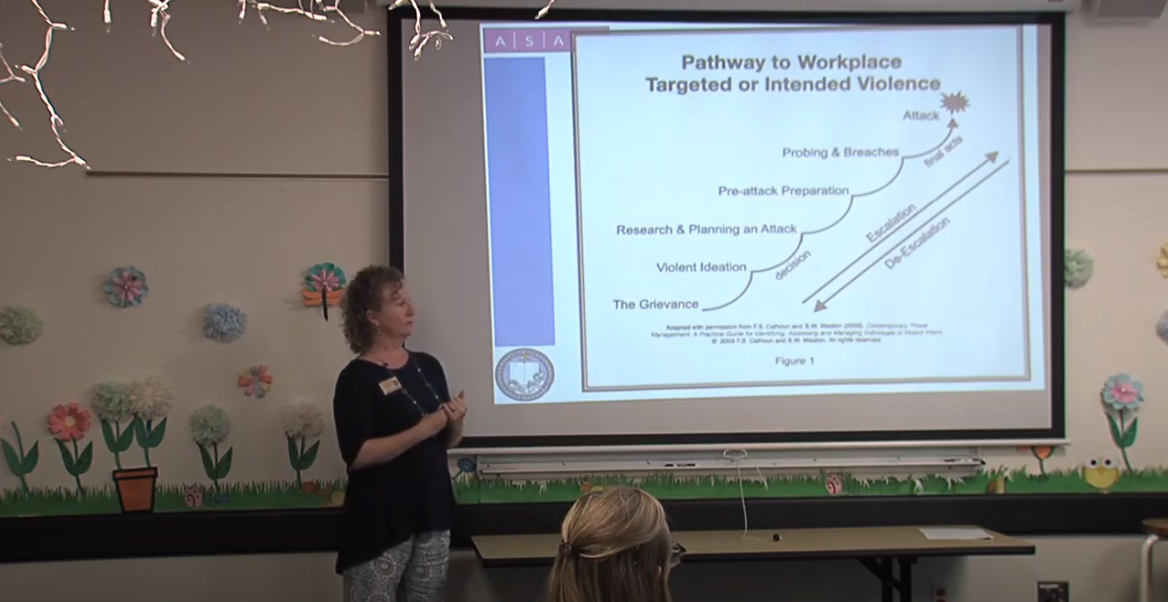
A talk by Dr. Kirsten Olsen.
Dr. Kirsten Olson is a clinical psychologist licensed in California. She is originally from Baltimore where she obtained her Masters of Arts degree in Clinical Psychology from Loyola University Maryland...
CARE - Schedule Presentations
After experiencing a traumatic event like a sexual assault, an incident of relationship violence, or stalking, a survivor might not know what their options are. CARE promotes access to meaningful services and builds a team of support. CARE Advocates will provide options for survivors and will follow the survivor's lead in making specific referrals. For urgent, immediate and Advocacy assistance and to speak with a confidential staff member, please call our 24/7 CARE phone line at 805-893-4613. If you have an emergency or feel that you may be in immediate danger, please call 911.
If you have experienced a sexual assault within the last five days, call CARE at 805-893-4613 or navigate to the medical section on the CARE website under the Advocacy Services page to learn about the time-sensitive option to seek a free, confidential forensic medical exam.